Project Overview
Our client, a mid-sized online retailer processing over $5 million in annual transactions, was struggling with a legacy e-commerce platform that was slow, difficult to maintain, and hampering business growth. We undertook a complete platform redesign using modern web technologies to create a fast, scalable, and user-friendly shopping experience.
The Challenge
The existing platform was built on outdated technology from 2010, resulting in numerous critical challenges. Page load times averaged 8-12 seconds, causing a cart abandonment rate of 78%. The codebase was monolithic and poorly documented, making even minor updates time-consuming and risky. Mobile responsiveness was virtually non-existent, with mobile users representing only 15% of traffic despite industry averages of 60%+.
The checkout process was convoluted, requiring 7+ steps and frequent page refreshes. Integration with modern payment gateways and shipping providers was difficult or impossible. The admin panel was clunky and required extensive training for new staff. Most critically, the system couldn't handle traffic spikes during sales events, often crashing during Black Friday and holiday promotions, costing the company hundreds of thousands in lost revenue.
Our Solution
We designed and implemented a complete platform rebuild using React for the frontend, Node.js for the backend API, and PostgreSQL for the database. The new architecture follows microservices principles, making it highly scalable and maintainable. We implemented server-side rendering for optimal SEO and initial page load performance, with progressive web app (PWA) capabilities enabling offline browsing and app-like experience on mobile devices.
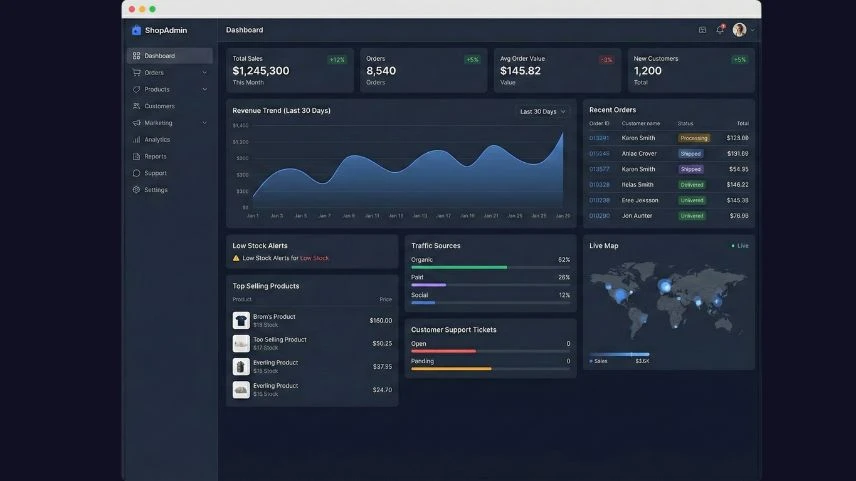
The checkout process was streamlined to a single-page experience with real-time validation and guest checkout options. We integrated modern payment gateways including Stripe, PayPal, and Apple Pay, plus real-time shipping calculations from major carriers. The admin dashboard was rebuilt with an intuitive interface featuring drag-and-drop product management, comprehensive analytics, and inventory forecasting.
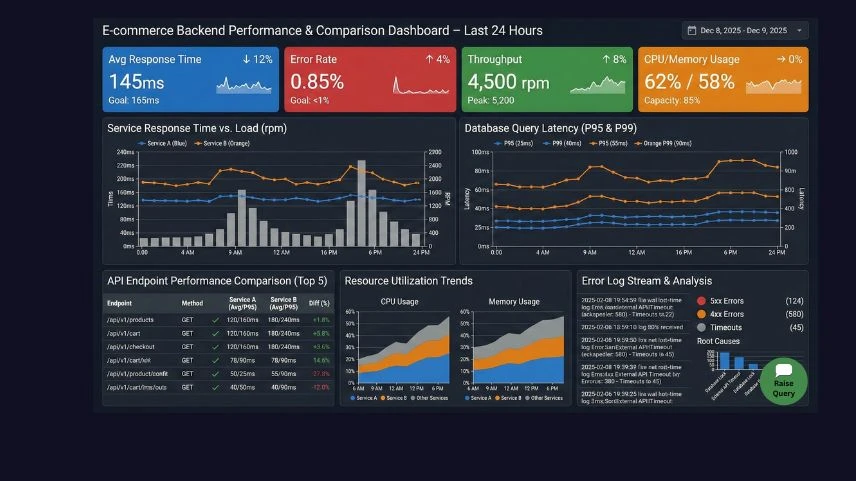
We implemented a robust caching strategy using Redis, CDN integration for static assets, and database query optimization that reduced load times by 85%. The platform was deployed on AWS with auto-scaling capabilities to handle traffic surges, and comprehensive monitoring and alerting systems were put in place to ensure 99.9% uptime.
Results & Impact
The results exceeded all expectations. Page load times dropped from 8-12 seconds to under 2 seconds, a 85% improvement. The new streamlined checkout process reduced cart abandonment from 78% to 32%, bringing it in line with industry standards. Mobile traffic increased from 15% to 65% of total visits within three months, and mobile conversion rates improved by 180%.
Overall conversion rate increased by 200%, from 1.5% to 4.5%. The platform handled Black Friday traffic of 50,000+ concurrent users without any downtime or performance degradation. Server costs decreased by 40% despite handling more traffic due to optimized architecture. Admin productivity improved dramatically with the new dashboard reducing product upload time from 10 minutes to under 2 minutes per product.
Most importantly, revenue increased by $2 million in the first year post-launch, a 40% year-over-year growth. Customer satisfaction scores improved by 55%, and the development team can now ship new features 5x faster than with the old platform.
Key Metrics
200%
Conversion Rate Increase
85%
Faster Load Times
$2M
Additional Revenue (Year 1)
99.9%
Uptime Achieved
Technology Stack
Frontend: React, Redux, Next.js for SSR
Backend: Node.js, Express, GraphQL API
Database: PostgreSQL with Redis caching
Infrastructure: AWS (EC2, RDS, S3, CloudFront)
Payment: Stripe, PayPal, Apple Pay integration
DevOps: Docker, Kubernetes, CI/CD with GitHub Actions